
The Indiana Access to Public Records Act
Indiana's open-records law is the Access to Public Records Act. It gives any person the right to inspect and copy the public records of public agencies, subject to listed exceptions. The law applies to county and city offices, courts, and other public bodies. For court records, the act works alongside Supreme Court access rules.
You do not need a reason to ask. A public agency must respond and either provide the record or cite a legal basis to withhold it. A read of Indiana Code § 5-14-3 sets out the right to inspect and the path to challenge a denial through the Public Access Counselor.
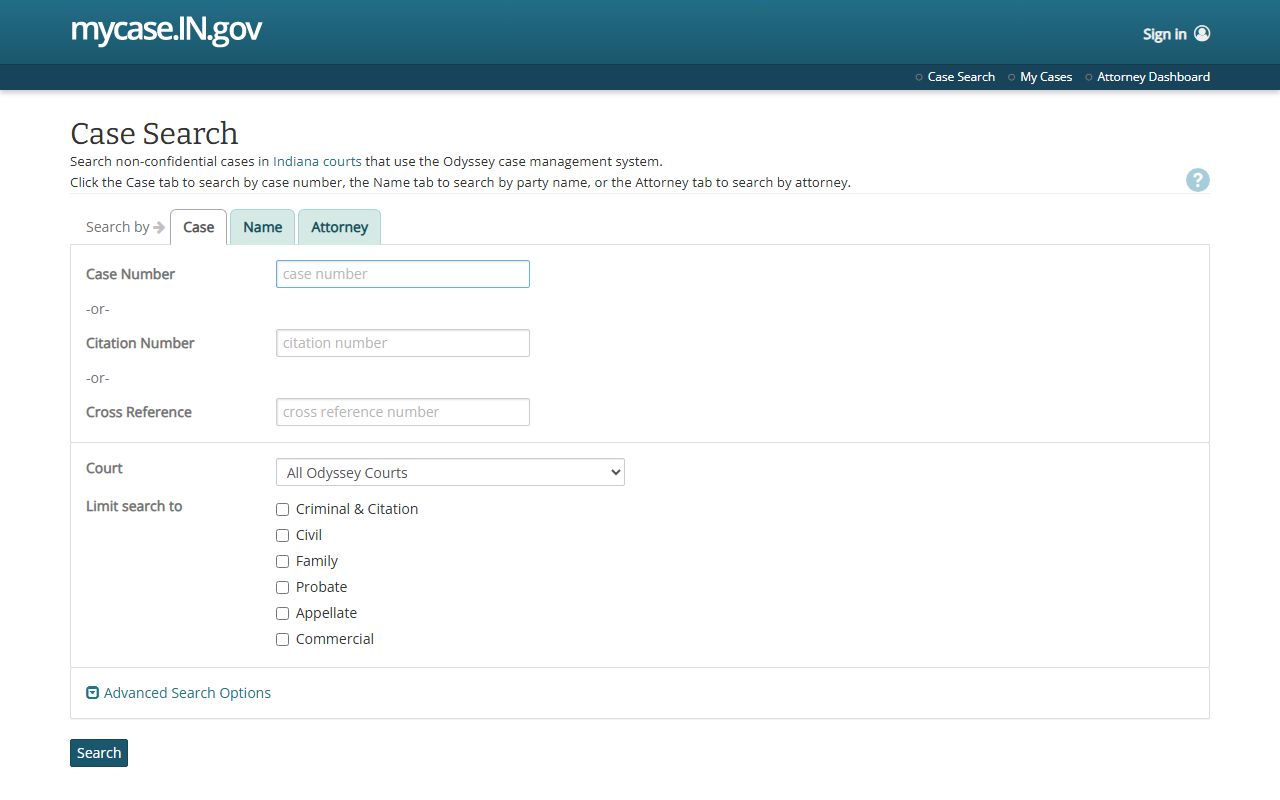
For court documents specifically, the public access to court records through MyCase shows what the trial courts post online.
What Records Marion County Maintains
Different offices hold different records. The clerk is the court-record custodian and the marriage-license issuer. Other county offices keep deeds, property data, and assessments, while the state health department holds many vital records. Knowing the right office saves time.
- Court records and case files: held by the Marion County Clerk and searchable in MyCase.
- Marriage licenses: issued and kept by the clerk.
- Property and GIS data: published through the county mapping tools.
- Vital records such as birth and death: held by the state and local health department.
Vital-record rules tie to Indiana Code § 16-37, which covers vital-record fees and issuance.
Marriage licensing, a clerk function, is governed separately by Indiana Code § 31-11.
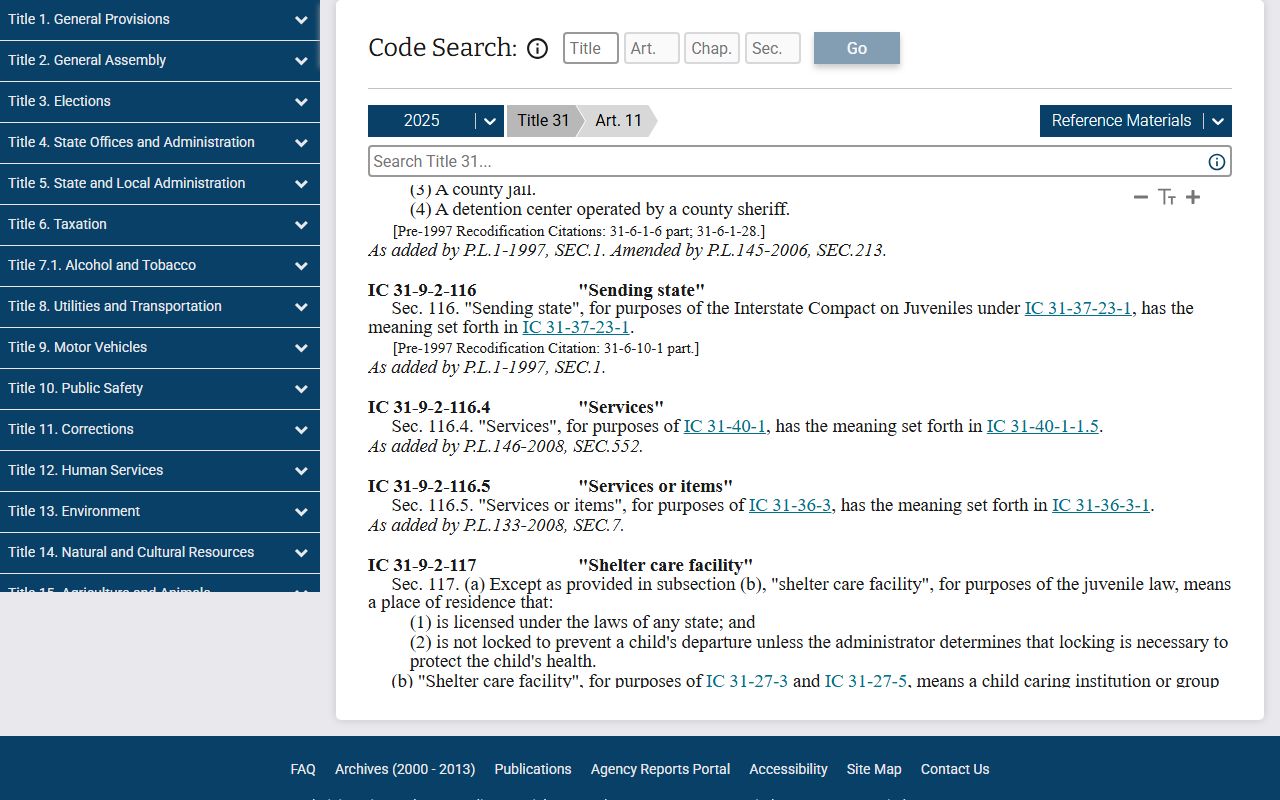
That chapter explains the clerk's license-issuance role and the 60-day validity rule.
How to File a Public Records Request in Marion County
Start by identifying the office that holds the record. Court records go to the clerk or through the court request process. City and county agency records go through the official request system. A clear, specific description gets a faster answer.
- Identify the right office: clerk for court records, the agency that created other records.
- Describe the records you want, with names, dates, and document titles if known.
- Submit through the official channel, such as the county request system or the clerk.
- Wait for the agency to respond within the time the law allows.
- Pay any allowed copy fees and receive the records.
The county runs an online request tool for city and county agency records. The Indy.gov public-record request page is the front door for those agency requests.

For court records that are not online, the Indiana courts request guidance explains how to ask the clerk.
Public Records Request Form Fields
A good request includes a few key pieces of information. The more specific you are, the easier it is for the agency to find the record and the lower the search cost.
| Field | Required | Notes |
|---|---|---|
| Requester Name | Yes | Contact details so the agency can reply. |
| Description of Records | Yes | Be specific: names, case numbers, document titles. |
| Date Range | No | Narrows the search and can lower fees. |
| Format Preference | No | Paper or electronic, where the agency can provide it. |
Response Timelines
Indiana law sets a window for an agency to acknowledge and respond to a request, and it allows time to gather records before they are produced. If an agency denies a request or fails to respond, the law provides a remedy. The Public Access Counselor reviews disputes and issues advisory opinions, and a requester can also seek a court remedy. Confirm the current deadlines with the agency or the Public Access Counselor, since the exact timing depends on how the request is made.
Public Records Fees in Marion County
Agencies may charge for copies under the law, and court copy fees come from Indiana Code 33-37 and local schedules. Exact per-page and search amounts were not published in the official sources reviewed, so confirm them with the office before you order. The table shows the common items and where each fee is set.
| Item | Amount |
|---|---|
| Per-page copy | Set under the records law; confirm with the agency |
| Search or labor | Where allowed; confirm with the agency |
| Certified court copy | Set under IC 33-37; confirm with the clerk |
| Electronic format | Where available; confirm with the agency |
Court fee rules sit in Indiana Code § 33-37.
Where Each Marion County Record Lives
One of the most common mistakes is asking the wrong office. The clerk does not hold deeds, and the recorder does not hold court files. Matching the record to the office is the first step in any request.
| Record | Where to Ask |
|---|---|
| Court case files | Marion County Clerk and MyCase |
| Marriage licenses | Marion County Clerk |
| City and county agency records | Indy.gov public-record request system |
| Property and GIS data | County mapping and assessment tools |
When you are not sure, the clerk or the county request system can point you to the correct office.
Records That Are Exempt
Not every record is public. The law and court rules keep some categories closed or redacted. Juvenile and adoption records, sealed cases, expunged records, protected-party details in protection orders, and health and mental-health records are restricted. Active investigation materials and certain personal identifiers, such as Social Security numbers, are also withheld or masked.
Some federal records sit in separate systems entirely. A free resource for federal dockets and opinions is CourtListener, though it is not the official federal docket.
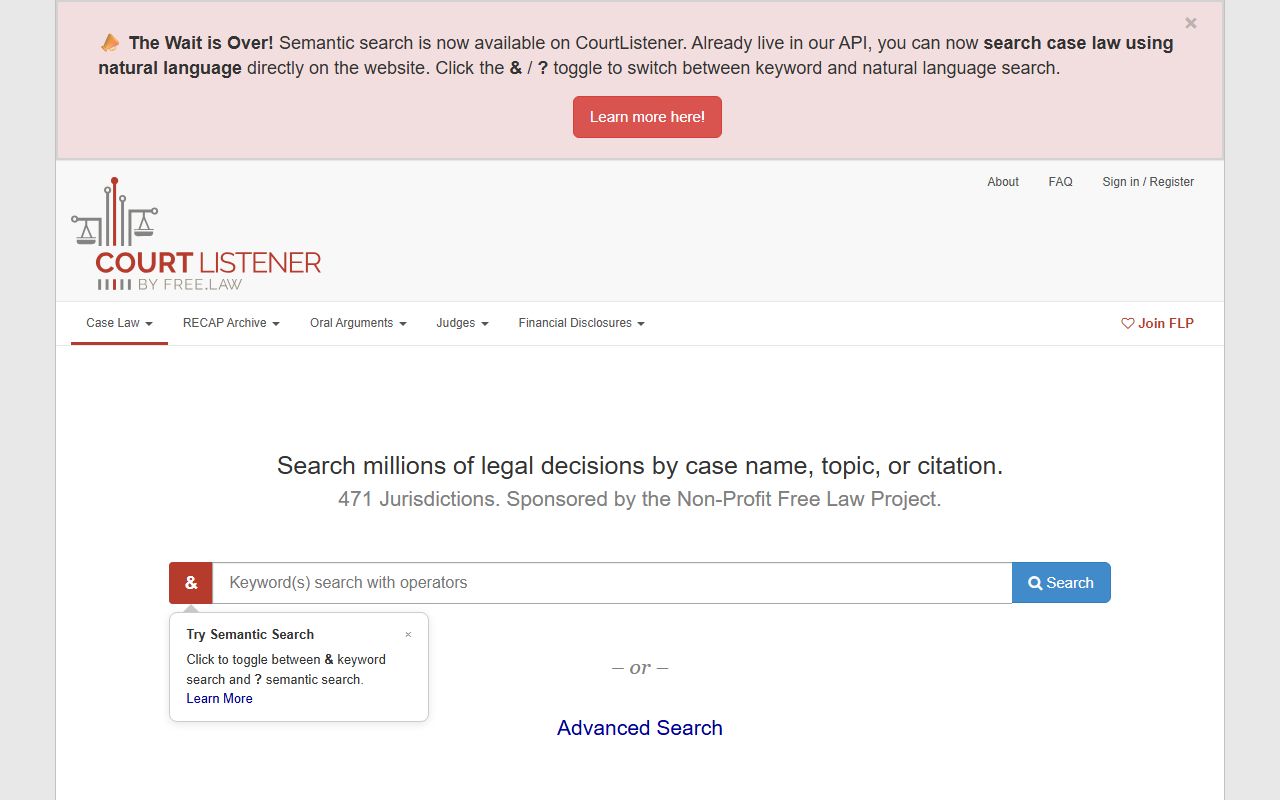
Federal records for Indianapolis run through the federal courts and PACER, not the county system.
Federal Court Records for Marion County
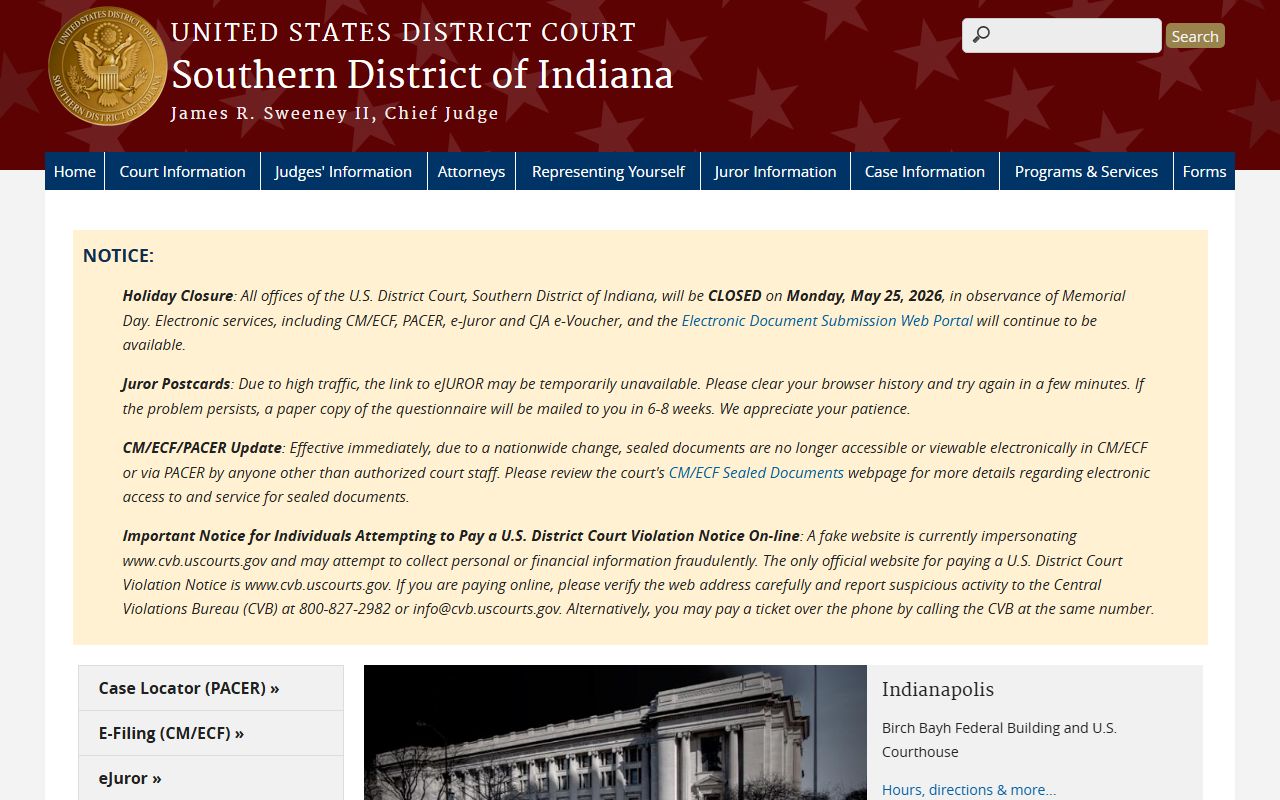
Some Indianapolis cases are federal, not county. Those records sit in separate federal systems. The trial-level federal court for this area is the U.S. District Court for the Southern District of Indiana. A view of the U.S. District Court, Southern District of Indiana shows the federal trial court that serves Marion County.
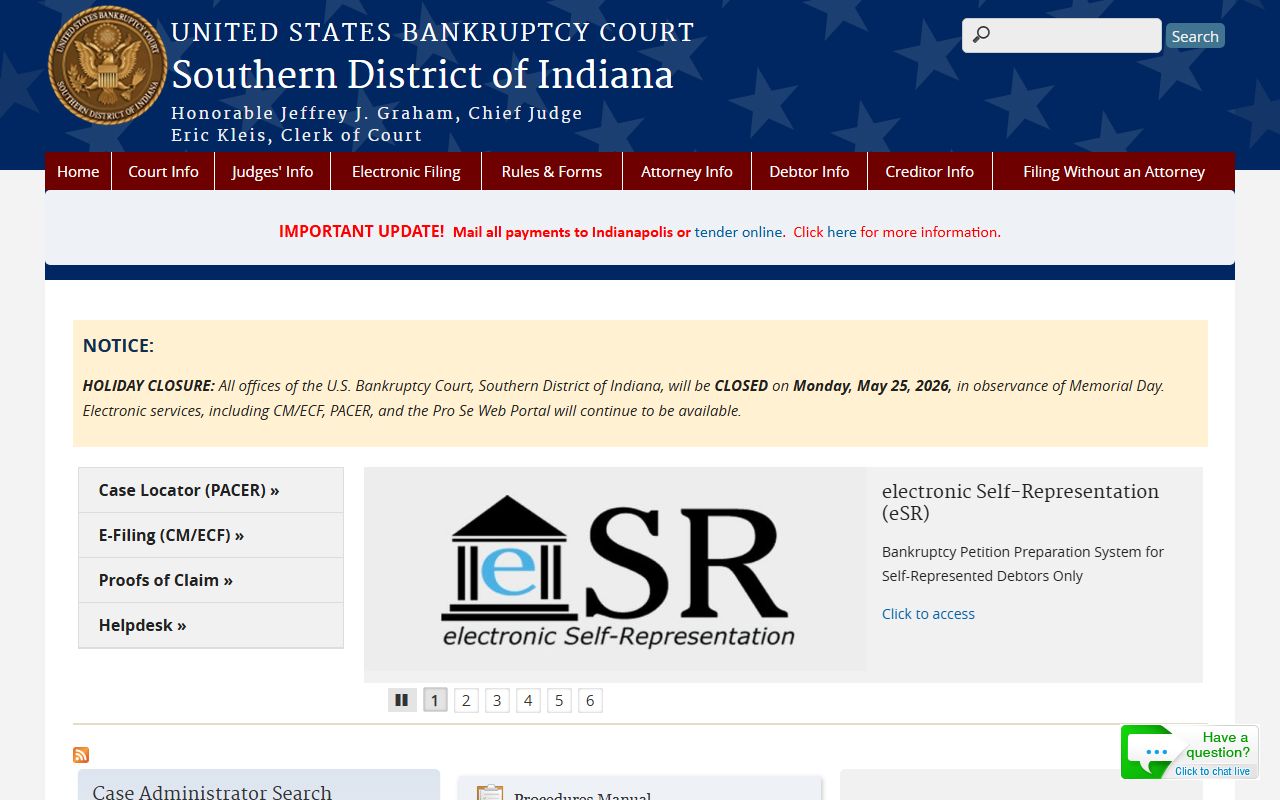
Bankruptcy is a separate federal track. A look at the U.S. Bankruptcy Court for the Southern District of Indiana covers bankruptcy filings tied to the area.
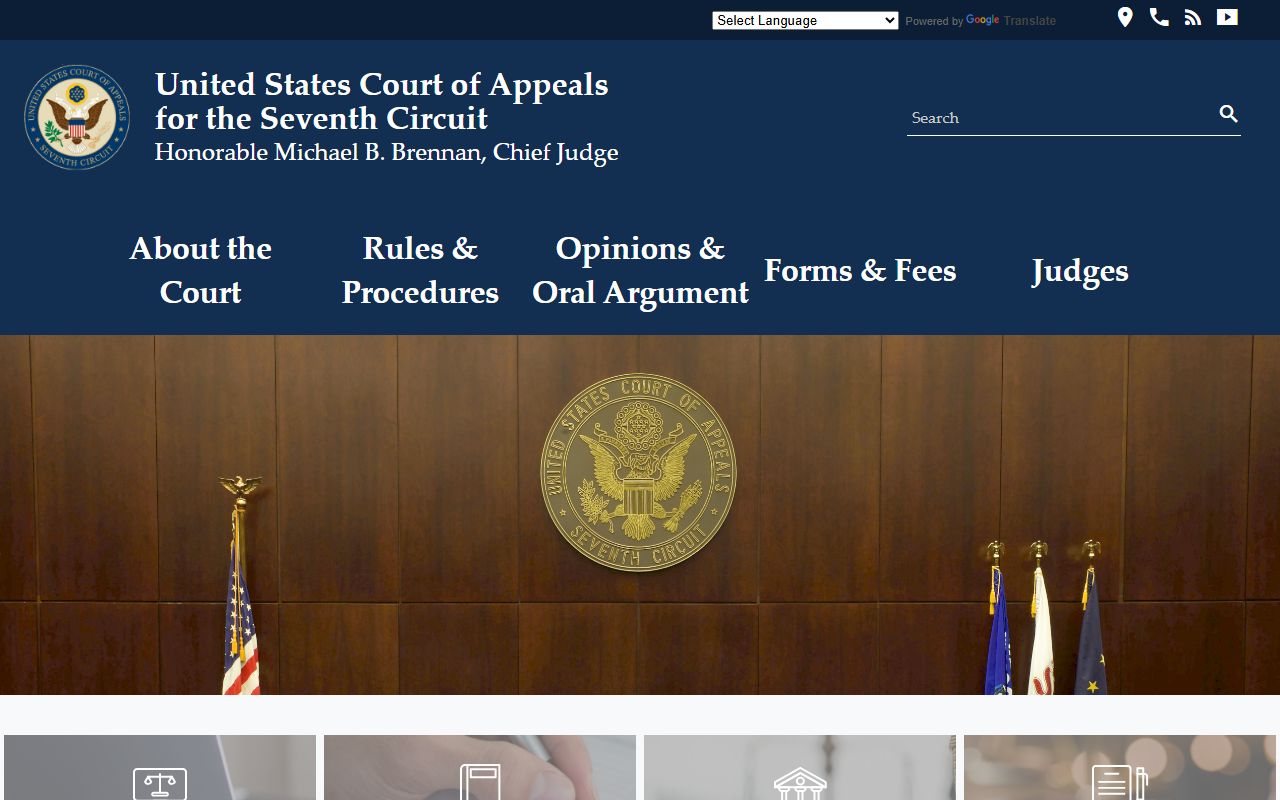
Federal appeals from Indiana go to the Seventh Circuit. A view of the U.S. Court of Appeals for the Seventh Circuit shows the federal appellate court.
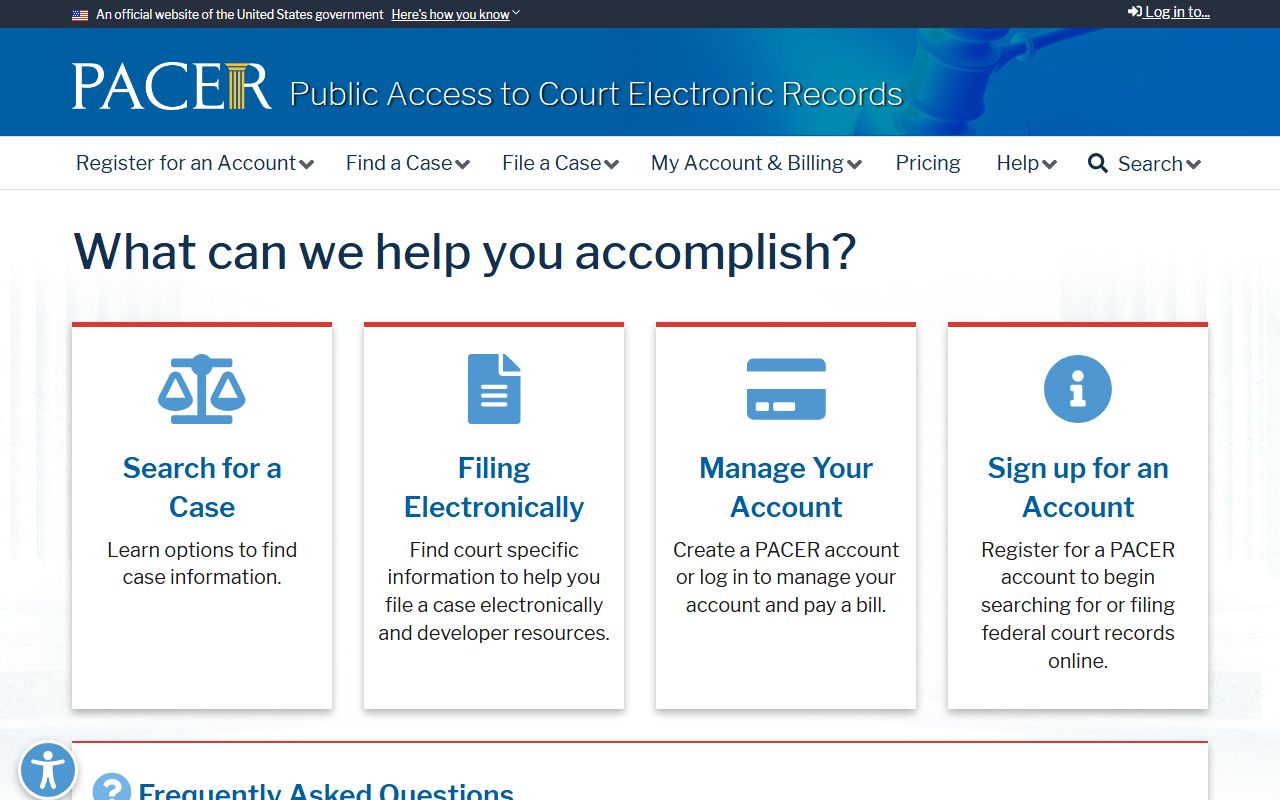
Federal dockets are searched through PACER, the official federal case system. A look at PACER federal case access explains the registration and fees for federal records.
None of these federal records appear in the state MyCase portal, which covers Indiana trial courts only.
If Your Marion County Records Request Is Denied
A denial is not the end. Indiana's Access to Public Records Act lets a requester ask the Public Access Counselor to review the decision. The counselor issues an advisory opinion on whether the agency followed the law. A requester can also pursue a court remedy under the statute. Keep a copy of your request and the agency's response, since those records help if you appeal.
Public data about incarceration and other topics is also available from research groups, though those compilations are research summaries rather than official county records.
Marion County Public Records Questions
Two questions come up often when people request records in Indianapolis. Short answers help you start in the right place.
Do I need a reason to request a public record? No. Indiana's Access to Public Records Act lets any person inspect and copy public records without stating a purpose. The agency can only withhold a record on a legal basis, and it must point to one if it does.
How do I request records that are not online? Contact the office that holds them. Court records go to the clerk, and city or county agency records go through the Indy.gov request system. Include the case number, names, and document title to speed the search.